 View Case Study
Guest Experience Programme
Concept study — not client work
F&B Consulting & Management
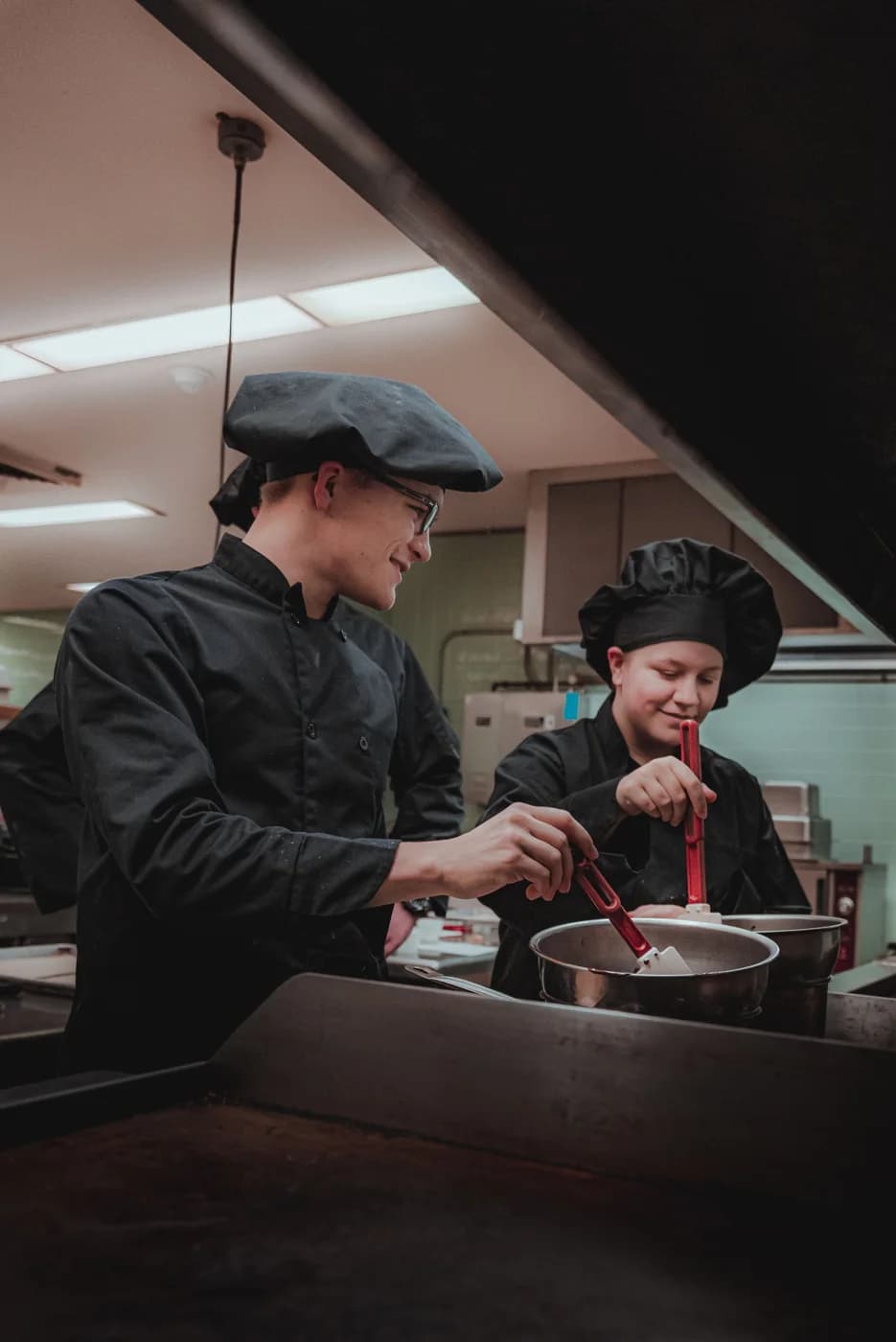
A focused review of how the operation actually runs during service — flow, timing, staffing, stations and the controls that hold quality steady at peak.
Service quality does not fall evenly; it falls at a specific station, at a specific volume, at a specific hour. Until that point is located, extra staff and extra training are guesses.
We observe service rather than interview about it. Station layout and mise en place, ticket times by course and by station, expediting and pass discipline, front-of-house sequence, hand-offs between kitchen and floor, staffing against actual demand curves, and the points at which quality begins to slip as volume rises.
Findings are tied to the specific moment and station where they occur, so a correction has an address rather than a department.
Operational problems are observed, not reported. We watch the shifts that actually hurt — the busiest and the most understaffed — because that is where the system reveals what it really is.
Demand curve, rota and menu complexity mapped.
Multiple services watched, including the hardest.
Times, hand-offs and failure points recorded.
A station-level plan with training and checks.
Enough to cover the peak, a normal service and a difficult one. A single visit shows a snapshot, not a system.
Yes, where gaps are found. They are written short and in the language the team works in, or they will not be used.
Restaurant Audit Scorecard
Restaurant KPI Dashboard
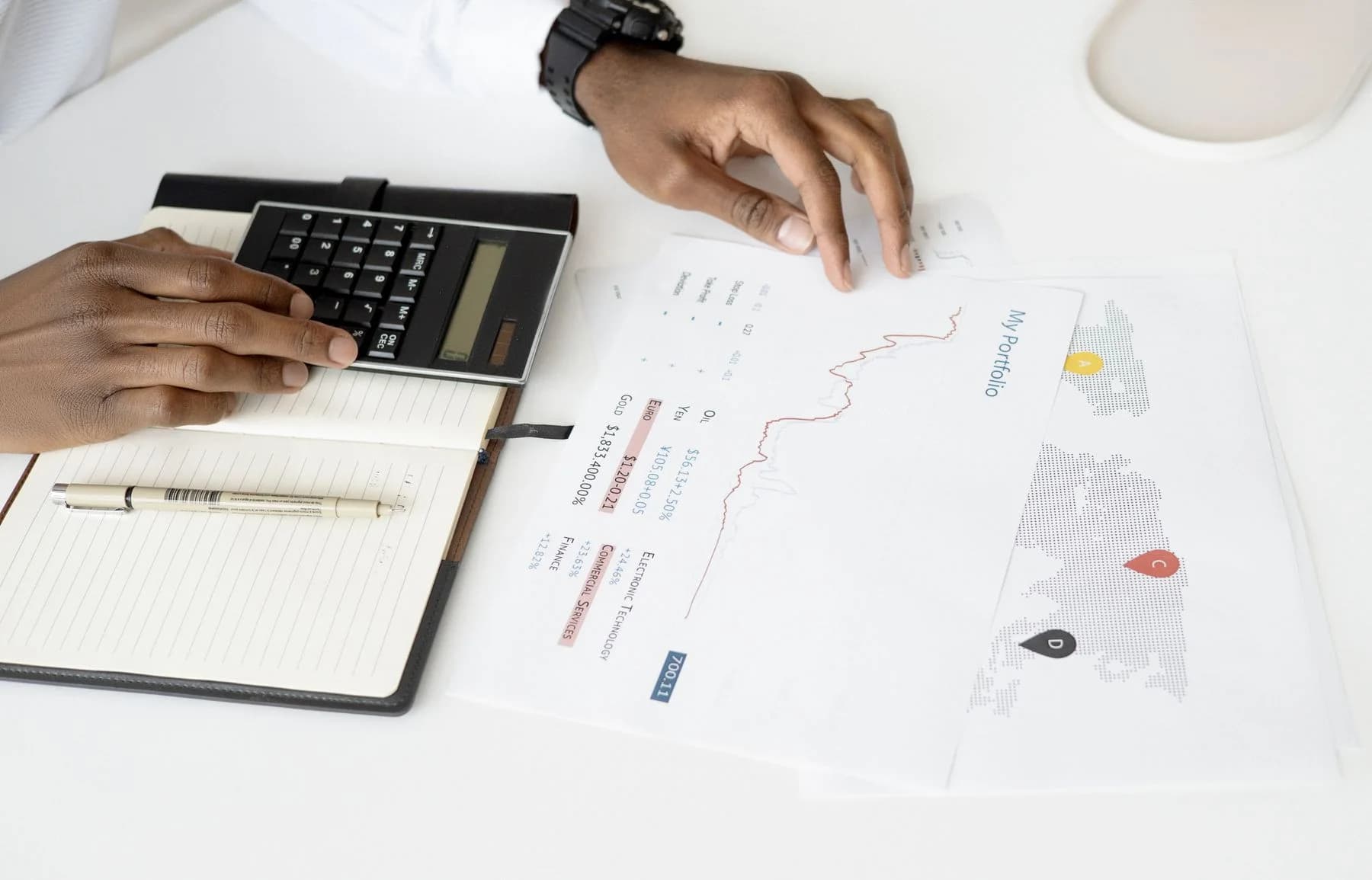 ArticleThe cost that leaks before the kitchenPurchasing, receiving and storage decide a large part of food cost before a chef touches anything — and they are the least supervised part of most operations.
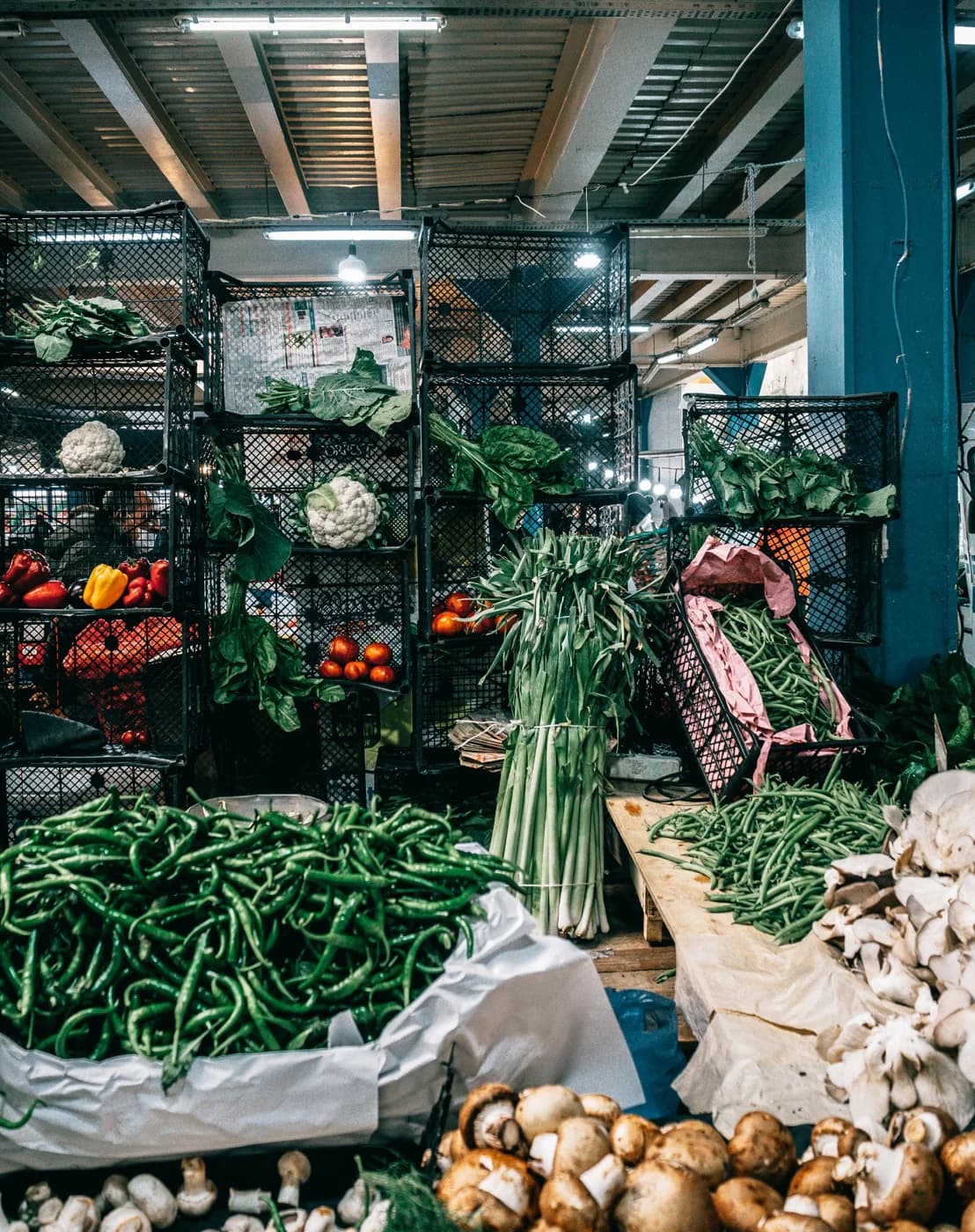 SolutionCost ControlThe routines that keep food and labour cost from drifting month after month.
Tell us about the business and what you need, and we will come back to you.

A review of how the operation actually runs, including field visits where appropriate.